Peace of Mind for Families: Understanding GPS Tracking for Elderly Loved Ones
Why Location Awareness Matters as We Age
I remember the first time my grandmother wandered a little too far from her usual walking route. It was a crisp autumn morning, and she had simply decided to "take the long way home." For her, it was an adventure. For us, it was the start of a new kind of worry. That experience pushed me to learn more about how technology can help keep older adults safe without taking away their independence. And one of the most practical tools I found was gps tracking for elderly family members.
The fear of a loved one getting lost or disoriented is not small. When memory starts to fade or when a health condition makes familiar streets look strange, a simple walk can become risky. But a tracker, worn as a pendant or clipped to a belt, can give everyone peace of mind. It does not replace a conversation or a check-in call, but it adds a layer of safety that lets seniors live their lives on their own terms.
How GPS Trackers Work in Everyday Life
At its simplest, a GPS tracker uses satellite signals to figure out where someone is. The device sends that location to a smartphone app or a monitoring centre. For an elderly person, the tracker is usually part of a small wearable that also has a help button. If they feel confused or need assistance, they press the button. If they cannot press it, some devices detect a fall automatically and send an alert.
The location data is not always on. Many systems let you set a safe zone, sometimes called a geofence. If the person leaves that area, you get a notification. This is useful for someone who still likes to take short walks but might wander farther than planned. The tracking is not about watching every step. It is about knowing you will be alerted if something goes off course.
What to Look For in a Tracker
Not all trackers are the same, and choosing one depends on the person who will wear it. Battery life matters. A device that needs charging every day can become a burden. Look for something that lasts several days or even a week on a single charge. The size and comfort also count. If it is bulky or awkward, the person may resist wearing it. A slim pendant or a watch-style device often works best.
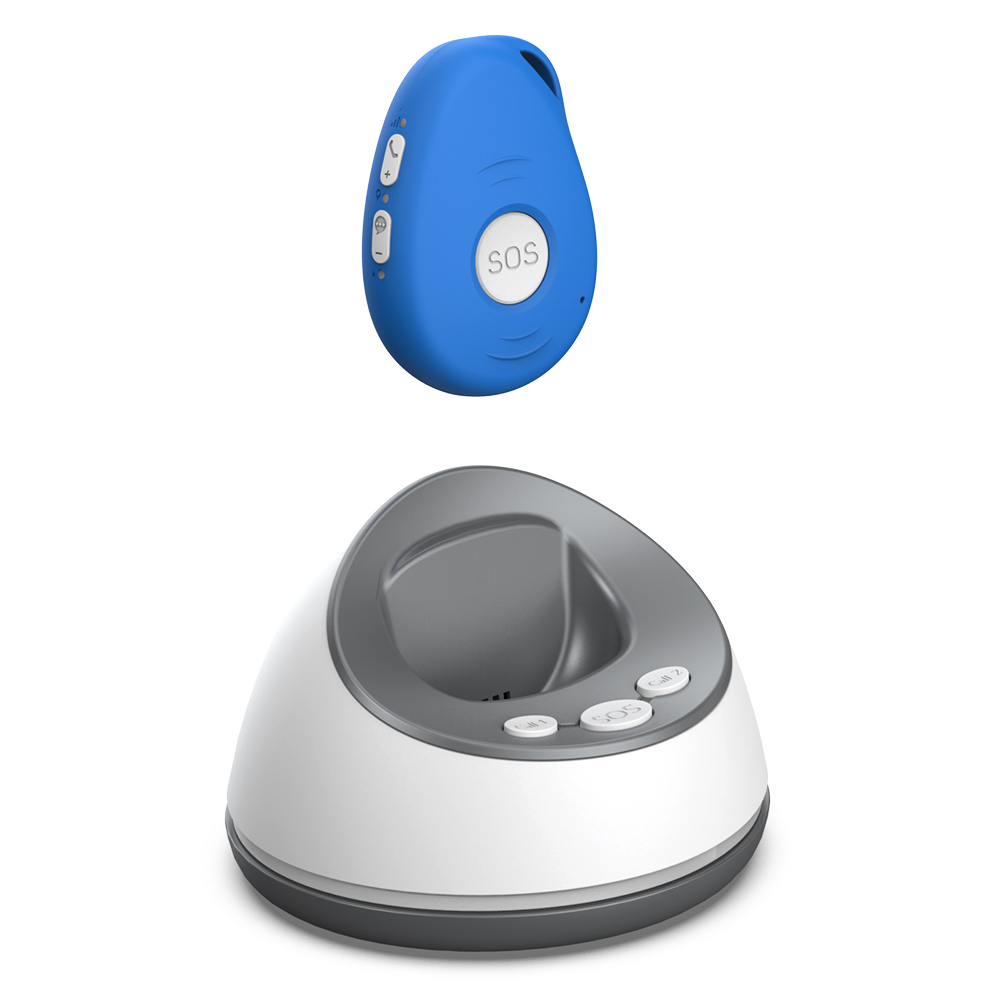
Another factor is whether the device works indoors and outdoors. Some trackers rely on cellular networks and lose signal in basements or thick-walled buildings. Others use Wi-Fi or Bluetooth for indoor positioning. If the person spends a lot of time at home, indoor accuracy can be just as important as outdoor coverage.
Balancing Safety and Privacy
This is the part that many families wrestle with. Tracking a loved one can feel intrusive. I have talked to adult children who worry that monitoring their parent’s location is disrespectful. But the seniors I have spoken with often see it differently. They value their independence above almost everything else, and they know that a tracker can help them keep it. It is not about surveillance. It is about making the world a little safer so they can keep doing what they enjoy.
The key is to have an open conversation before introducing a device. Explain why you think it could help. Let them choose which style they prefer. Some families set rules about when the tracker is on, for example only during walks or when the person is alone. This kind of agreement respects everyone’s feelings while still providing a safety net.
Real-World Scenarios Where Tracking Helps
Let me give you a few examples from people I know. One friend’s father has mild dementia and still likes to visit the local park. He sometimes forgets the way back. With a tracker, his daughter can see his location on her phone and either guide him home or go meet him. Another family I know had an elderly aunt who fell in her garden. She could not reach her phone, but the fall sensor in her pendant sent an alert with her exact location. Paramedics found her within minutes.
Here are some common situations where gps tracking for elderly makes a real difference:
- A person with Alzheimer’s who wanders from home or a care facility.
- An older adult who still drives but sometimes gets lost on familiar routes.
- Someone who enjoys hiking or walking alone in natural areas.
- A senior living alone who might fall and be unable to call for help.
- Family members who live far away and cannot check in person every day.
Each of these cases shows how a small device can turn a scary situation into a manageable one. It does not fix everything, but it buys time and reduces panic.

Limitations to Keep in Mind
GPS tracking is not perfect. Signal can be weak in dense cities or inside large buildings. Batteries die. People forget to wear the device or to charge it. And a tracker does not prevent falls or confusion. It only helps with the response. So it works best as part of a broader safety plan that includes regular check-ins, good lighting at home, and clear emergency contacts.
Another thing to consider is the monthly cost. Many trackers require a cellular subscription, which adds to the upfront price. Some medical alarm services include tracking as part of their monthly fee. It is worth comparing plans and reading reviews from other families before choosing.
How Tracking Fits Into a Larger Support System
I have seen families use trackers alongside other tools like medication reminders, video doorbells, and medical alert pendants. The tracker is not meant to replace human connection. It simply fills a gap. When a person lives alone or when family members are at work, knowing their location can ease the constant worry. It also helps emergency services respond faster, which can be critical in a medical event.
Connect with us on YouTube.
For those who are still active and mobile, a tracker can give the confidence to keep going. I know a 78-year-old woman who walks her dog every morning through a forested reserve. Her family worried about her until she started wearing a pendant with GPS. Now they feel comfortable letting her enjoy her routine, and she appreciates that no one is asking her to stop.
The Emotional Side of Letting Go
Being the one who watches from afar is not easy. I have felt that knot in my stomach when a phone call goes unanswered. A tracker does not remove that feeling completely, but it reduces it. You can see that your loved one is at home or on their usual path. You do not have to imagine the worst. That small relief makes a big difference in how you relate to them. Instead of calling every hour to check, you can call just to chat.
For the elderly person, the tracker can be a source of reassurance too. Many devices have a button that lets them call for help. Knowing they can reach someone with a press gives them confidence to keep doing things they enjoy. It is a tool that works both ways.

A Practical Closing Note
If you are thinking about gps tracking for elderly relatives, start with a conversation. Talk about what worries each of you and what kind of device would feel comfortable. Test it together. Set up the app on your phone so you can see the location and get alerts. And remember that this is one part of a bigger picture of care and connection.
Familyr provides personal medical alarms for seniors in New Zealand with SOS, GPS, fall detection, and family-monitored two-way calling. They are based at 14 Grand View Road, Remuera, Auckland 1050, New Zealand, and can be reached at +64 9 872 0345.